Demographic Trends Among Midwestern Players Reshaping Bonus Allocation Patterns in Cross-Device Games That Blend Number Draws with Spinning Reels
Written by Mara Lange · Sep 24, 2026
Demographic Trends Among Midwestern Players Reshaping Bonus Allocation Patterns in Cross-Device Games That Blend Number Draws with Spinning Reels
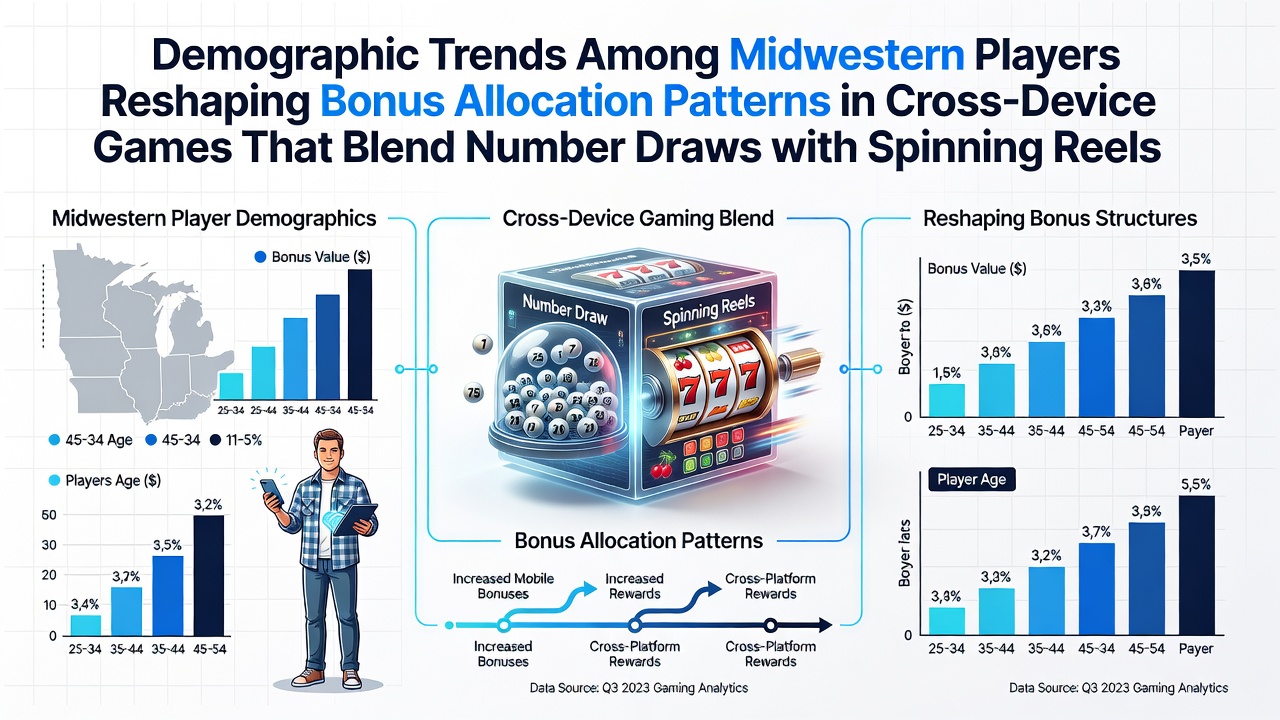
Data from recent industry analyses shows that population shifts across Illinois, Ohio, Michigan, and neighboring states are influencing how developers adjust bonus structures in hybrid games that combine number draws with reel mechanics, and these changes appear most noticeable in cross-device environments where players switch between mobile phones, tablets, and desktop setups throughout the day.
Population Shifts Driving Game Design Adjustments
According to figures released by the US Census Bureau in early 2026, Midwestern states recorded steady growth in the 35-to-54 age bracket alongside a modest rise in household incomes within rural counties, and these patterns coincide with increased participation in games that merge bingo-style draws with spinning reels, prompting studios to recalibrate bonus pools toward options such as extended draw sequences or reel multipliers that align with session lengths typical for this group.
Researchers tracking player behavior note that many users in these regions prefer shorter, more frequent bonus triggers rather than long jackpot chases, while data collected through app analytics indicates a corresponding uptick in allocation of smaller, immediate rewards like extra number picks or free reel spins distributed across multiple devices without requiring additional deposits.
Cross-Device Usage Patterns and Bonus Preferences
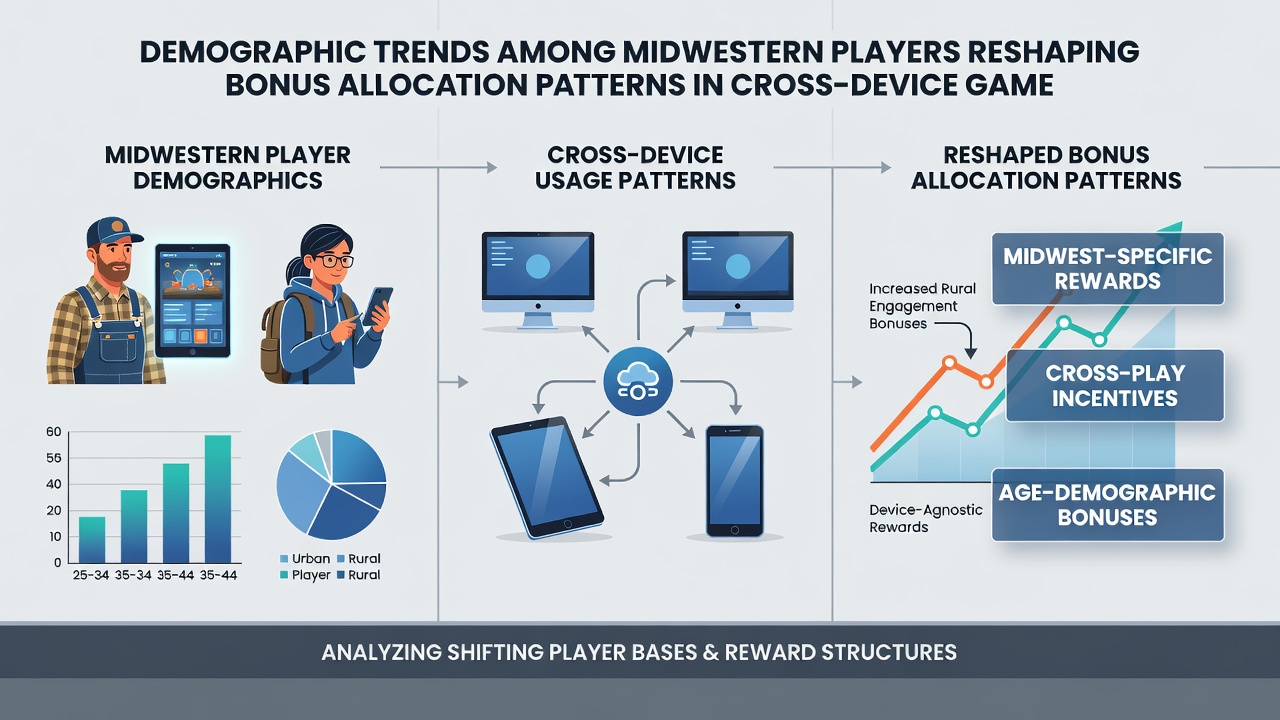
Studies conducted by academic teams at state universities in the region reveal that players often begin sessions on smartphones during commutes, transition to tablets at home, and finish on desktop computers later in the evening, and this multi-platform flow has led developers to implement synchronized bonus ledgers that carry over accumulated draw credits or reel progress, thereby reshaping how operators distribute promotional funds to maintain engagement across all formats.
What's interesting is that September 2026 reports from several state gaming commissions documented a 12 percent increase in cross-device account activity compared with the previous year, and this rise correlates with adjustments in bonus allocation formulas that prioritize seamless reward redemption regardless of the device in use at any given moment.
Regional Income and Age Factors Influencing Reward Structures
Evidence from market research firms indicates that households earning between $50,000 and $80,000 annually represent a growing segment of active players in the Midwest, and game operators have responded by expanding bonus tiers that offer scaled number-draw entries paired with reel-spin enhancements calibrated to match typical deposit sizes within this income range.
Observers note that older players within the 45-plus demographic tend to favor bonuses tied directly to number-draw outcomes, whereas younger cohorts show stronger engagement with reel-based multipliers, prompting hybrid titles to blend both elements into unified reward systems that allocate funds more evenly across these preferences without favoring one mechanic over the other.
Impact on Operator Strategies and Platform Integration
Industry reports compiled by the American Gaming Association highlight how operators have begun testing dynamic bonus distribution models that factor in real-time demographic signals gathered from user profiles, and these models allow for automatic adjustments such as increased number-draw bonuses during peak evening hours when Midwestern users log in from multiple devices simultaneously.
Turns out that integration with payment processors popular in the region has also played a role, since transaction data reveals preferences for smaller, recurring deposits that align with bonus structures designed around frequent, modest wins rather than infrequent large payouts.
Conclusion
Overall, the interplay between Midwestern demographic trends and cross-device hybrid game mechanics continues to produce measurable shifts in bonus allocation, with operators relying on aggregated data from census statistics, university studies, and platform analytics to refine reward systems that accommodate varying age groups, income levels, and usage habits across phones, tablets, and desktops. These adaptations reflect ongoing efforts to align promotional resources with observed player behaviors while maintaining regulatory compliance across multiple state jurisdictions.